

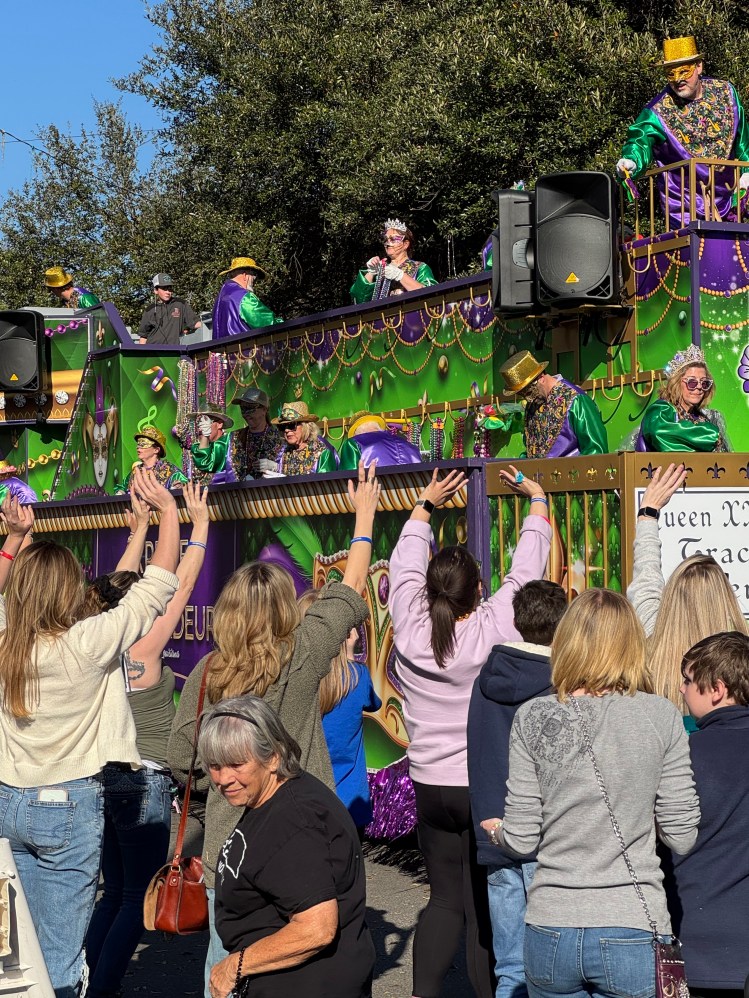
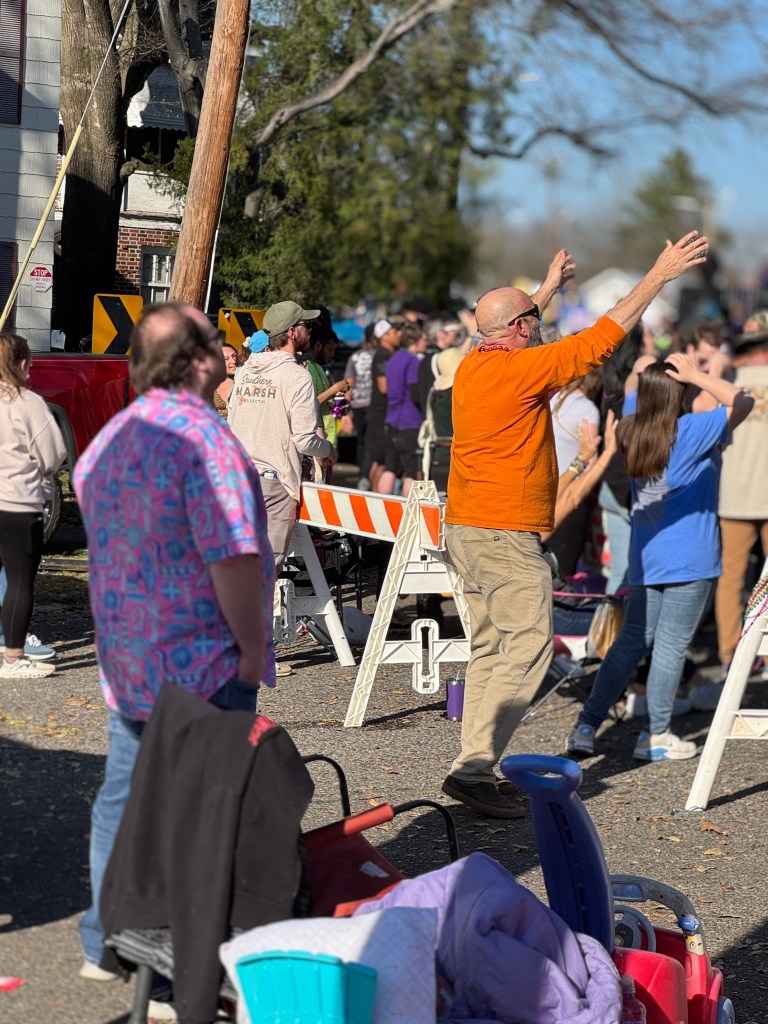
If you think Mardi Gras only happens in New Orleans, you’re missing out. Shreveport-Bossier hosts some of the most vibrant, family-friendly Mardi Gras celebrations in Louisiana, and I’m here to tell you why you need to experience it for yourself.
My family has been passing a good time at Shreveport-Bossier Mardi Gras activities for years, and every season brings new memories, new throws, and new reasons to love the traditions. Whether you’re a seasoned parade-goer or planning your first Mardi Gras experience, this guide will help you make the most of the 2026 season.
What Makes Shreveport-Bossier Mardi Gras Parades Special?
Let me be clear: Shreveport-Bossier Mardi Gras is different from the New Orleans experience, and that’s okay.
Here’s what sets it apart:
It’s Family-Friendly: There are designated family zones at the major parades so that you can bring your kids, your parents, and your grandmother without worrying about the chaos and adult content that can dominate some parades. This is Mardi Gras you can enjoy with the whole family.
It’s Accessible: No paying premium prices for balcony access. In Shreveport-Bossier, you can find great parade spots without breaking the bank or losing your mind.
It’s Community-Focused: These parades celebrate local culture, local people, and local creativity. You’ll see your neighbors on floats, recognize local businesses in the throws, and feel the genuine community spirit that makes Northwest Louisiana special.
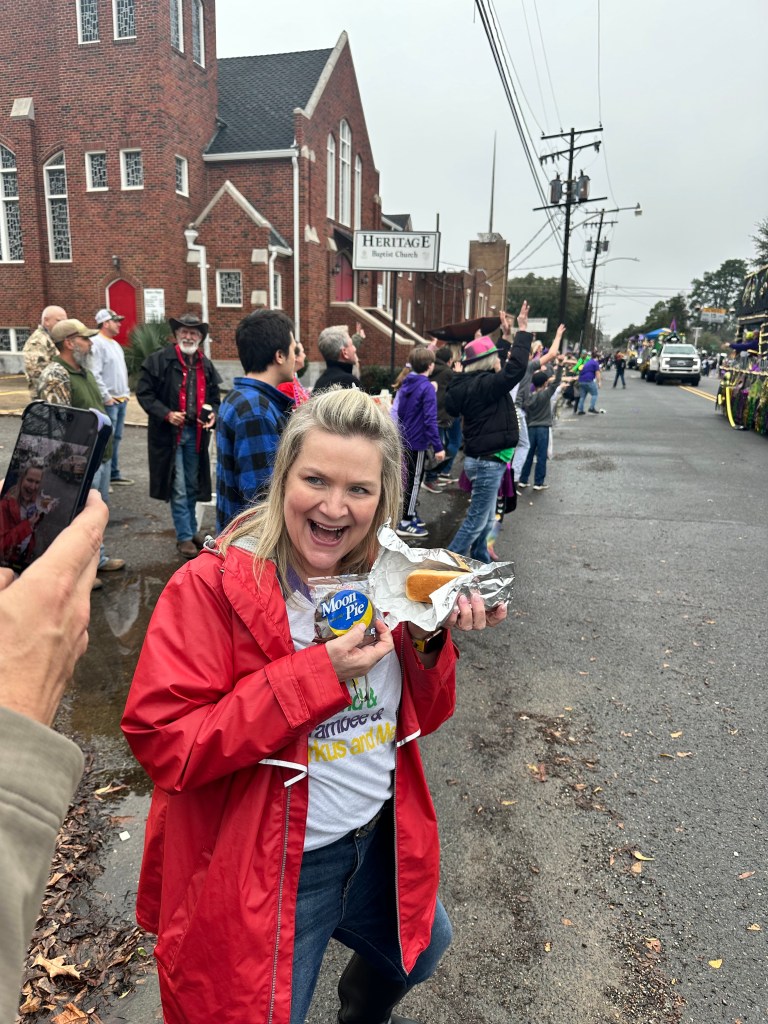
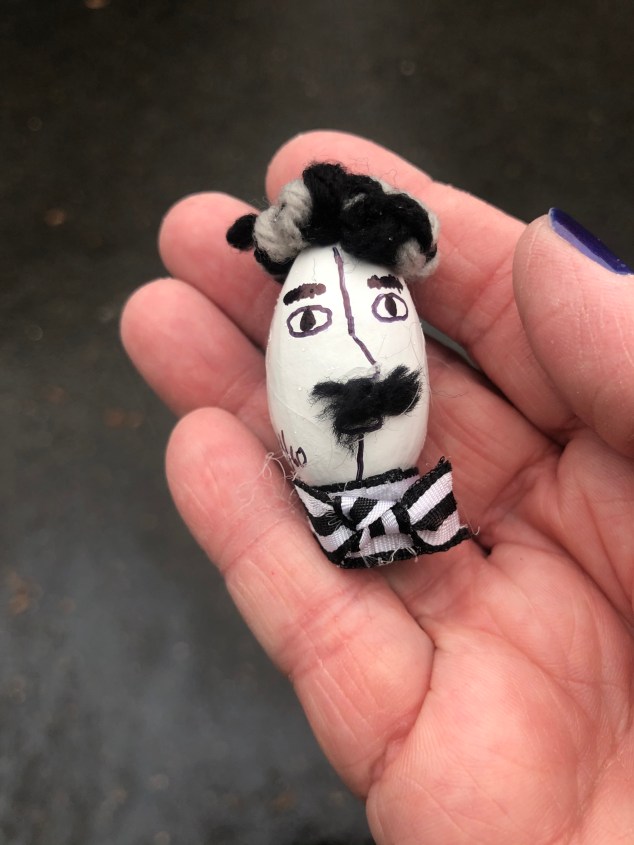
The Throws Are Fun: Shreveport-Bossier throws are super fun. Where else will you catch a hot dog cooked right on a float? We also have specialty beads, stuffed animals, moon pies, and unique items you won’t see anywhere else. Nod to those painted Blanc et Noir Marching Society pecans.
The 2026 Parade Schedule: Mark Your Calendar
This year’s Mardi Gras season runs from mid-January through mid-February, with parades happening almost every weekend. I’ve pulled the info from the Visit Shreveport-Bossier Mardi Gras Site. Here’s what you need to know:
Krewe of Sobek – Saturday, January 17, 2026, at 1:00 PM
- Location: Louisiana State Fair Grounds, Shreveport
- Kick off the season with Sobek! This parade sets the tone for the entire Mardi Gras season and brings out enthusiastic crowds ready to celebrate. Get there early because the fairgrounds fill up quickly.
Krewe of Harambee – Monday, January 19, 2026, at 1:00 PM (MLK Day)
- Location: Downtown Shreveport
- This is one of my absolute favorite parades. The Krewe of Harambee parade honors African American culture and celebrates unity and diversity in our community. The energy at this parade is incredible. The music is soulful, the floats are vibrant, and there’s a sense of community celebration that you don’t want to miss. I love supporting the African American community through this parade, and I always leave feeling uplifted and connected to my neighbors. The Harambee parade embodies what Mardi Gras should be about: bringing people together in joy and celebration.
- Pro tip: Downtown Shreveport can get crowded for this parade, so arrive early to secure a good spot.
Krewe of Centaur – Saturday, February 7, 2026
- Location: Downtown Shreveport
- This is Louisiana’s largest Mardi Gras krewe, and they don’t disappoint. The Centaur parade is massive, with elaborate floats, incredible throws, and the kind of spectacle that makes Mardi Gras magical. Plan to spend hours here because you’ll need to secure your spot before the parade ever arrives. Plan to tailgate and get to know your neighbors.
- Make sure you seek out the Family Zones if you’re bringing the little ones.
Krewe of Gemini – Saturday, February 14, 2026 (Valentine’s Day!)
- Location: Downtown Shreveport
- Mardi Gras on Valentine’s Day? Yes, please! The Krewe of Gemini brings romance and revelry together with a fantastic parade that lights up downtown. This is a great date night option or a fun outing with friends.
- Make sure you seek out the Family Zones if you’re bringing the little ones.
Krewe of Highland – Sunday, February 15, 2026
- Location: Highland Historic District
- Save room in your schedule for Highland because this is my other absolute favorite parade. The Krewe of Highland is uniquely fun, quirky, and local in the best possible way.

Here’s why I love Highland:
- The Throws Are fun: Highland has the best throws in Shreveport-Bossier, hands down. We’re talking unique, creative items you won’t see at any other parade. Forget generic beads. Highland throws are worth catching. Catch the coveted hot dog being grilled right on the float for lunch right on the route! Heck, you can catch a whole meal at Highland: Ramen Noodles, Hot Dogs, Moon Pies, Twinkies, Fruit Snacks . . . hey, I didn’t say nutritious meals. 🙂
- The Atmosphere Is Perfect: The parade winds through the beautiful Highland neighborhood, giving it an intimate, community feel that the downtown parades can’t quite capture.
- I Have a Secret Weapon: My partner lives on the Highland parade route, which means no worries about finding a spot or arriving hours early. We set invite friends over for food and fellowship and walk down to enjoy the parade with zero stress. It’s the perfect way to experience Mardi Gras.
- The Creativity Is Next Level: Highland embraces the weird, the wonderful, and the uniquely Shreveport. Expect a sense of fun that fills the entire event.
Essential Mardi Gras Gear: What You Might Need
After years of parade-going, I’ve learned what’s essential and what’s just extra stuff to carry. Here’s what you might need:
The Non-Negotiable Items:
A Good Folding Camping Chair
This is number one for a reason. You will be waiting for that parade for hours. Hours! Your back will thank you for bringing a comfortable chair.
- What to look for: Folding camping chair that’s lightweight enough to carry but sturdy enough to sit in for multiple hours. Get one with a cup holder because you’ll want somewhere to put your drink.
- Cost Range: $5-150+
- Worth it? Absolutely essential
- Pro tip: Write your name on your chair with a permanent marker. Chairs have a way of wandering off in the crowd.
Recommendations:
- Low end: Folding Camp Chair
- Mid range: Heaving Duty Folding Camping Chair
- High end: Heated Oversized Camping Chair
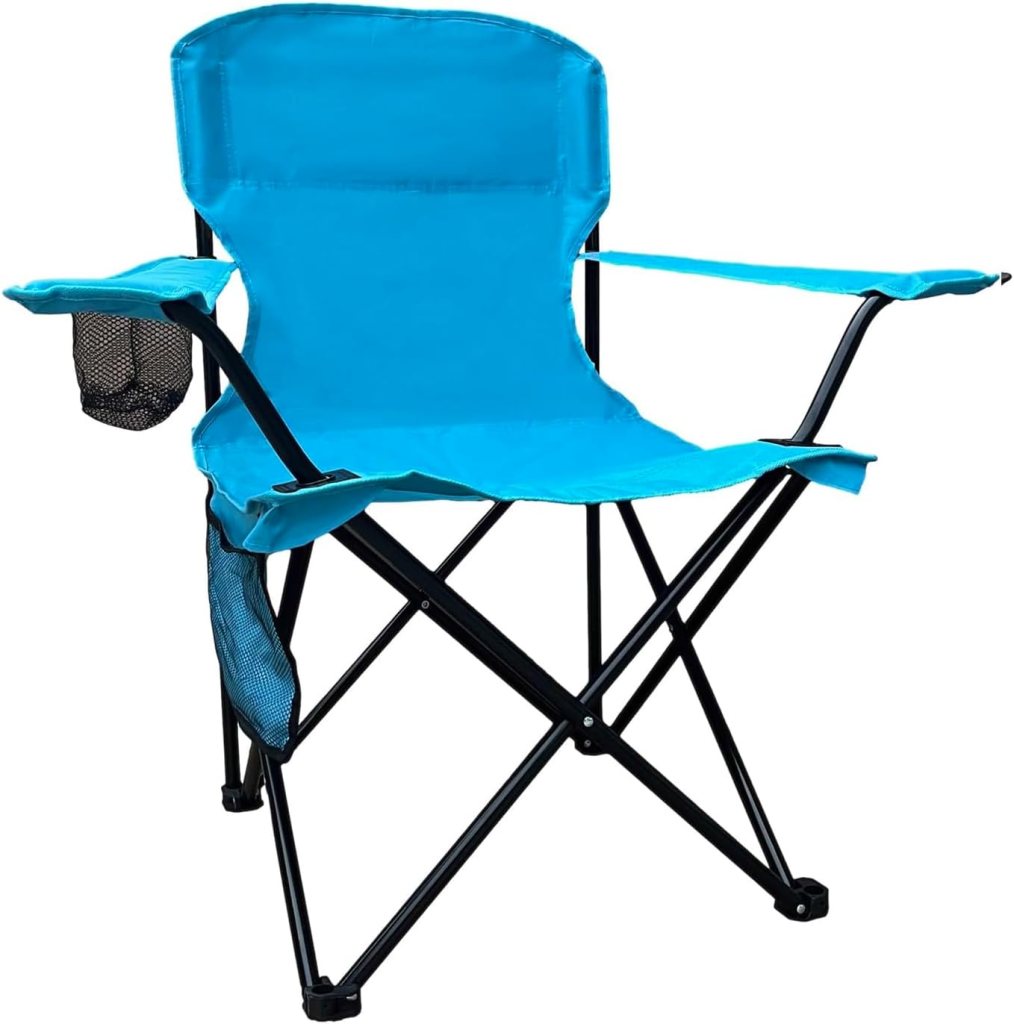
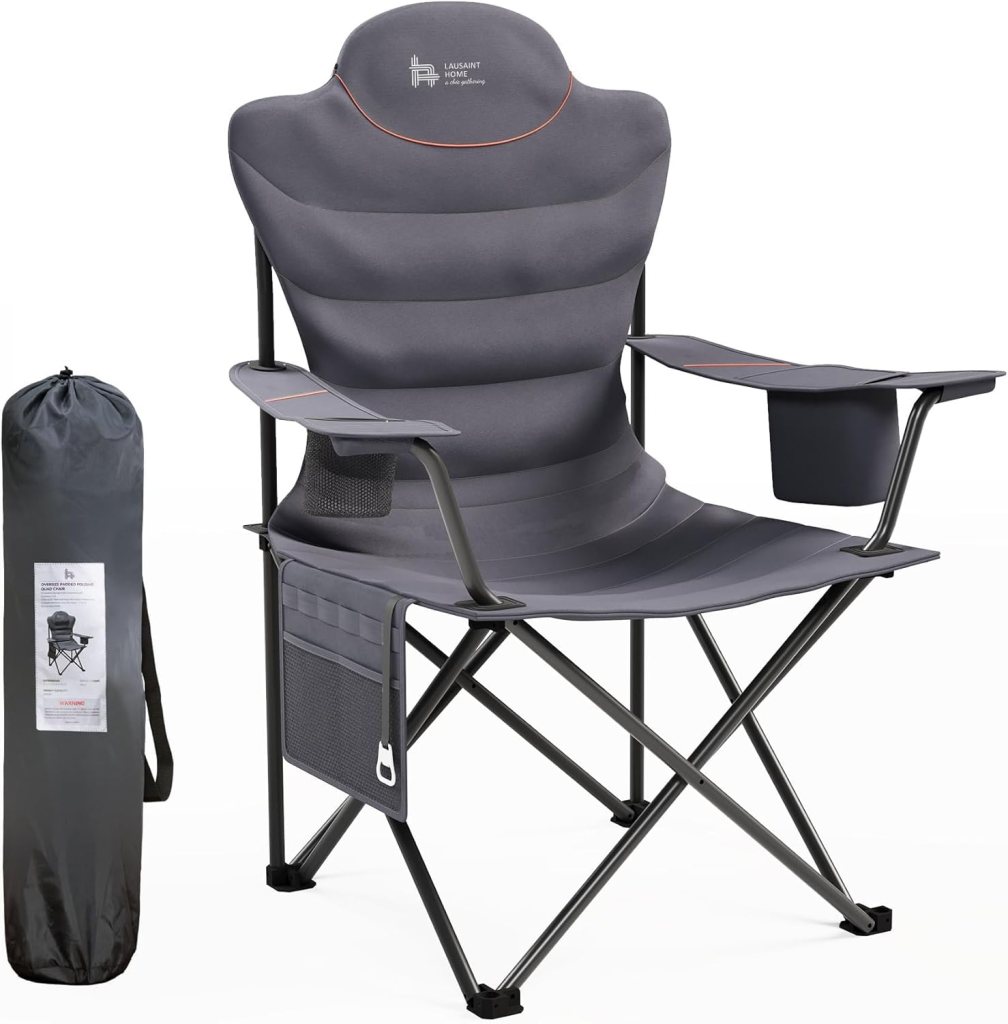
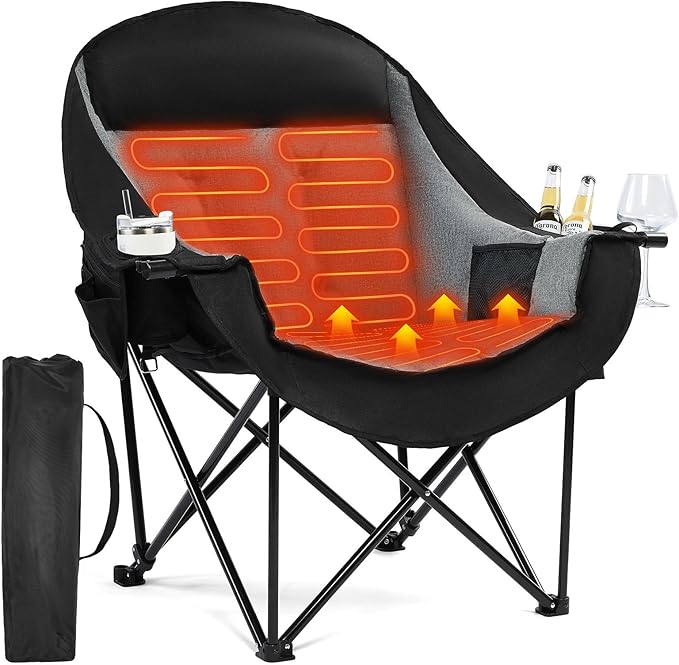
A Breathable Rain Jacket
Louisiana weather in January and February is unpredictable. You might start the parade in sunshine and end it in a downpour. A little rain won’t stop the parade, but lightning will, so be prepared for anything.
- What to look for: Waterproof rain jacket that’s packable and breathable. Louisiana humidity means you don’t want something that will turn you into a sweaty mess. You can buy a cheap $2 rain poncho, but I don’t recommend it.
- Cost: $10-150
- Worth it? Yes, especially in February
- Weather reality check: I’ve been to parades in 85-degree sunshine and parades in 30-degree drizzle. Sometimes on the same day. Layers are your friend.
Recommendations:
- Low end: 2 pack Emergency Rain Ponchos for Adults
- Mid range: Columbia Women’s Arcadia II Jacket (I like Columbia and also wear this jacket) Columbia Men’s Jacket
- High end: THE NORTH FACE Womens Antora Waterproof Breathable Rain Coat (This is my favorite and the one I wear) Northface Men’s Jacket
All Your Tailgate Supplies
You know what your favorites are, but of course, I will give you suggestions of some things that are typically in my parade kit.
Recommendations:
- Insulated cooler for drinks and snacks
- Sunscreen (yes, even in winter)
- Hand sanitizer or wet wipes
- Bags for your catches
- Trash bag to take all your trash home. Don’t be that person!
- Cash for food trucks and vendors
- Portable phone charger
- Picnic Blanket for sitting on the ground if chairs aren’t an option
Cost for the whole kit: $50-150 depending on what you already have
Worth it? These items get used for every parade season
The Nice-to-Haves
Recommendations:
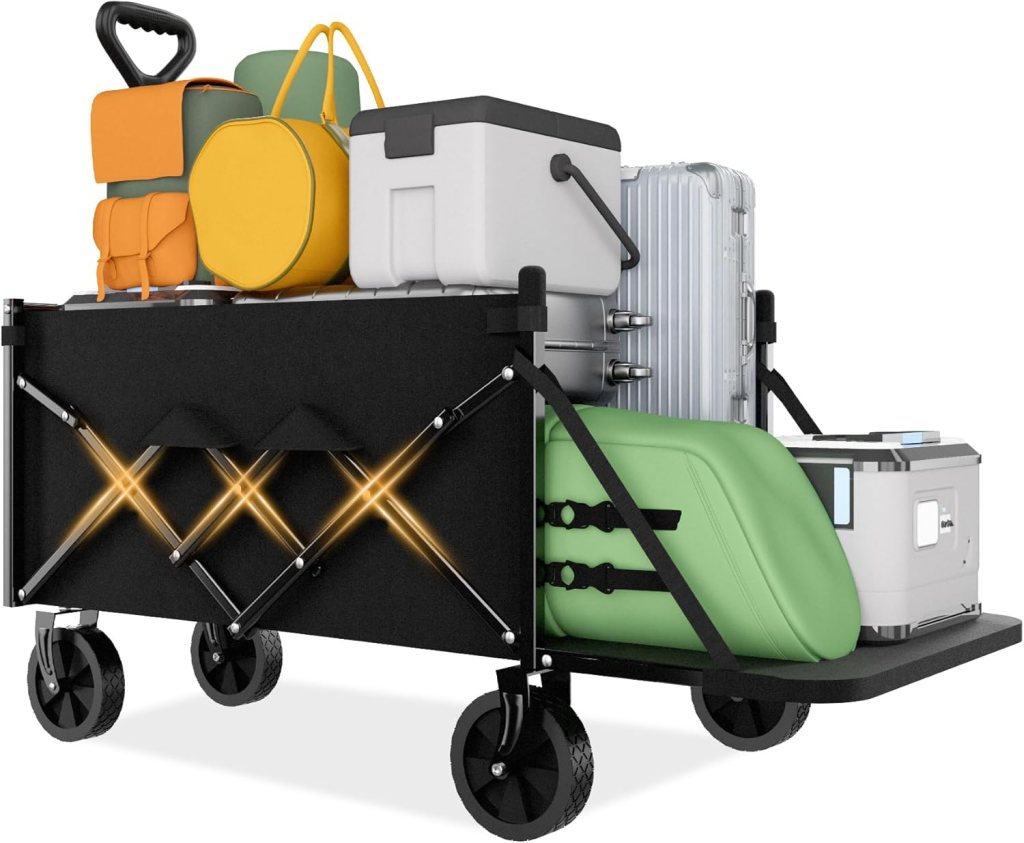
- Wagon or Cart: If you’re bringing kids or lots of supplies, a folding wagon makes life so much easier. (I love my little red folding canvas wagon!)
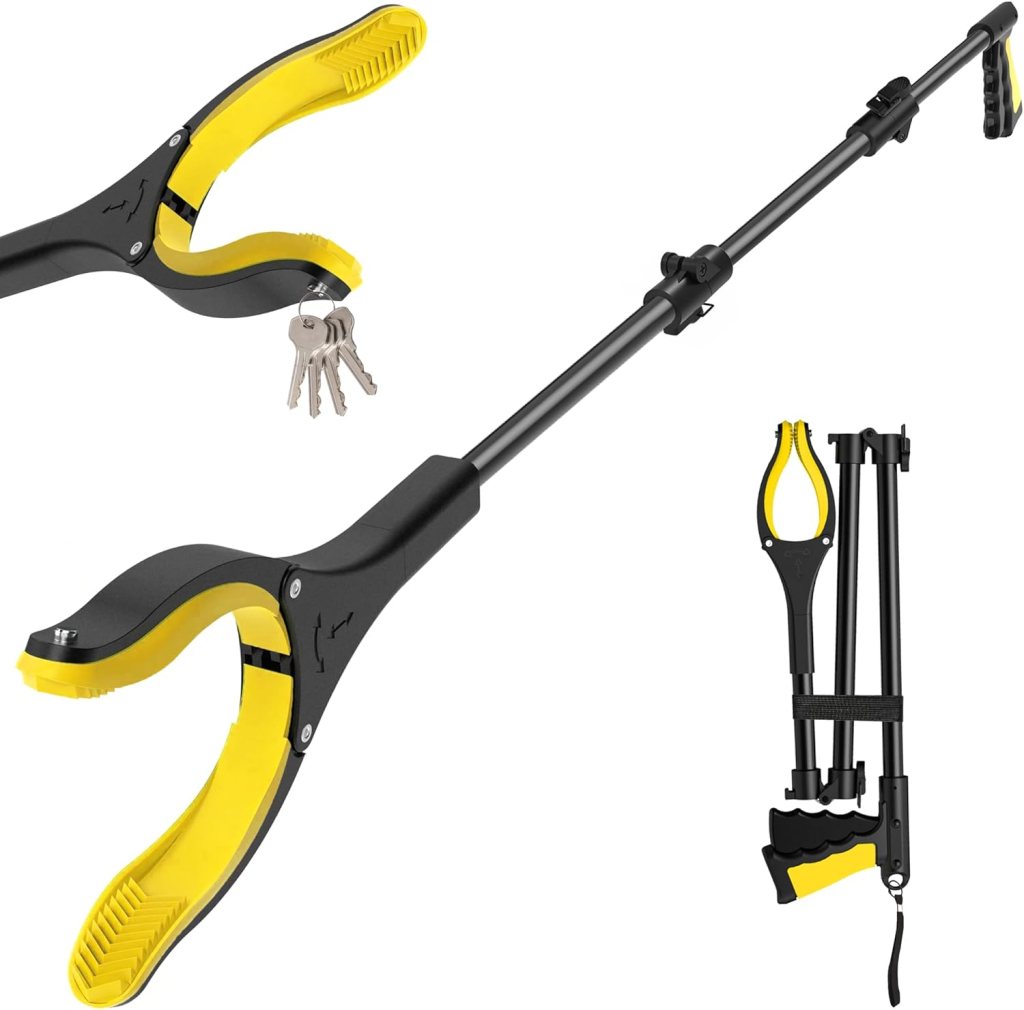
- Extending Grabber: For catching those high throws. Some people swear by these. I prefer the old-fashioned “jump and reach” method, but to each their own. Most people I know like an upside down umbrella! (The grabber can double as a trash picker-upper on the walk home!)
- Costume/Purple, Green, Gold Attire: Not required, but wearing Mardi Gras colors adds to the fun. Thrift stores are goldmines for cheap, festive clothing.
- Shoes that might get muddy
Insider Tips for the Best Mardi Gras Experience
After years of parade-going, here’s what I’ve learned:
Arriving Early Is Non-Negotiable
If you haven’t paid for a reserved spot, you need to get there early to find a good space. Most people like to get there several hours early and tailgate all day. My suggestion is to arrive before the roads close, otherwise you will be walking a fair distance to find a spot. Yes, this means a lot of waiting. That’s why you bring the chair, the cooler, and good company.
Scout Your Spot in Advance
Not all parade spots are created equal. Here’s what to look for:
Spots to Avoid:
- Too close to where floats turn (throws go wide)
- Areas marked “No Throw Zone”
- Behind tall fences or barriers
- Areas with no bathroom access nearby
Make Friends With Your Neighbors
The people sitting next to you will be your parade family for several hours. Chat with them. Share snacks. Help their kids catch throws. This is community building at its finest.
Know the Throw Etiquette
- Don’t push kids out of the way (seriously, don’t be that person)
- If someone’s kid drops their catch, help them get it
- Don’t hog all the throws. Spread the joy.
- If you catch something clearly meant for someone else, pass it along
- Adults: Let the kids get the good stuff. You’re here for the experience; they’re here for the treasures.
- Don’t leave your trash behind.
Plan for Parking and Bathrooms
Parking: Downtown parades have paid parking lots and garages. Get there early because they fill up. Some people park in nearby neighborhoods and walk, but be respectful of residents, and don’t park on people’s grass!!
Bathrooms: Scout out public facilities before the parade starts. Most businesses are not going to allow bathroom use during the parades. There are port-a-potties on the route, but some are reserved by the spot owner. Make sure that the facility is marked as a public potty. I once paid a guy 3 bucks to use his pee-can. 🙂
- Bring More Bags Than You Think You Need
- Those throws add up fast. I usually bring:
- One large garbage bag for beads
- Several reusable shopping bags for stuffed animals and specialty items
- A backpack for valuables and essentials
- Dress in Layers
- Morning might be cold. Afternoon might be warm. By evening, you might be cold again. Layers let you adjust without suffering.
- Stay Hydrated and Fed
- Bring snacks and water. Yes, there are food trucks and vendors, but lines can be long and you might not want to lose your spot. Make sure to read rules of the parade about what you can and cannot bring.
What to Do With All Those Throws
Let’s be honest: After a few parades, you’ll have more beads than you know what to do with. Here are some ideas:
- Keep the Special Ones: Specialty beads, unique throws, and anything meaningful gets saved.
- Donate: Many organizations collect Mardi Gras beads for next season or for charity. Check with local schools, churches, or community centers.
- Get Creative: Beads can be used for craft projects, garden decorations, or art installations.
- Recycle: Some krewes collect and reuse beads. It’s environmentally friendly and keeps the tradition going.
Beyond the Parades: Other Mardi Gras Events
While parades are the main attraction, Shreveport-Bossier offers other Mardi Gras experiences:
The Red River Mardi Gras Bash (VIP Experience)
If you want to take your Mardi Gras experience to the next level, the Red River Mardi Gras Bash is the way to do it. Visit Shreveport-Bossier hosts this annual VIP event during the Krewe of Centaur and Krewe of Gemini parades.
What’s Included (Adult Tickets: $70):
- Reserved, front-row viewing of the parades (no fighting for space!)
- Cajun buffet
- Beer and wine selections
- Specialty beads
- Private restrooms (this alone is worth the price)
- Live entertainment
- Cajun dance lessons
- Themed games and activities
- Behind-the-scenes tours and meet the Krewe royalty
Why I Recommend It:
If you’re visiting from out of town, traveling with a group, or just want a more comfortable parade experience, the Mardi Gras Bash solves every parade-going problem. You get guaranteed front-row spots, food and drinks without leaving your area, and actual bathrooms instead of trying to find a friendly business that will let you use theirs.
The price might seem steep compared to free parade viewing, but think about what you’d spend on food, drinks, and the stress of finding a good spot. Plus, the behind-the-scenes access and Krewe meet-and-greets are experiences you can’t get anywhere else.
2026 Dates:
- Saturday, February 7, 2026 (Krewe of Centaur)
- Saturday, February 14, 2026 (Krewe of Gemini)
Children ages 6+ are $25, and kids under 5 are free. You can purchase tickets online.
Pro tip: If you’re bringing a group or planning this as a special occasion, the Bash takes care of all the logistics and lets you focus on enjoying the experience.
Other Mardi Gras Experiences:
- Mardi Gras Balls: Many krewes host formal balls. These are typically by invitation, but they’re spectacular if you can attend.
- King Cake Tours: Visit Lilah’s King Cakes for behind-the-scenes tours to see how authentic king cakes are made. Then taste-test king cakes from local bakeries throughout the season to find your favorite.
- Mardi Gras Shopping: Tubbs Hardware & Cajun Gifts has Mardi Gras souvenirs and parade essentials if you need last-minute supplies or want to take home some authentic Louisiana Mardi Gras gear.
- Support local Artists:
- The Agora Borealis: Store and gallery featuring the works of local artists in multiple mediums, from paintings to carvings, furniture and sculptures.
- Birdwell’s: a collection of southern style. A home & gifting shopping experience inspired by traditions and trends with a southern flair.
- C&C Mercantile & Lighting: Located in historic Downtown Shreveport. A family owned Shreveport business. (Art by Lauren Ross)
- The Grove Shreveport: An artist collection under one roof. Whether you’re looking for something practical or stylish, you’ll find something to suit your needs.
- Karen La Beau: My Life on Canvas: a self-taught, third-generation artist, author, and cultural bearer, with a mission to preserve the richness of Black Southern life through vibrant storytelling.
- Live Music: Bars and venues throughout Shreveport-Bossier host Mardi Gras-themed events with live music throughout the season.
Why You Should Experience Shreveport-Bossier Mardi Gras
If you’ve never been to a Shreveport-Bossier Mardi Gras parade, you’re missing out on a genuine Louisiana tradition that’s accessible, family-friendly, and full of community spirit.
You don’t need a week off work or a massive budget. You just need a chair, some friends, and a willingness to have fun.
The throws are fun, the atmosphere is welcoming, and the sense of community is real. Whether you’re catching beads at Highland, celebrating culture at Harambee, or marveling at the spectacle of Centaur, Shreveport-Bossier Mardi Gras offers something special.
So mark your calendar, gather your supplies, and get ready to laissez les bons temps rouler, Shreveport-Bossier style!
Your Turn
Have you been to Shreveport-Bossier Mardi Gras? What’s your favorite parade? Do you have any insider tips I missed? Drop a comment below and share your Mardi Gras experiences!
And if you’ve never been, which parade are you planning to attend this year?
That Just Happened! (And it’s about to happen again…)
For More Information:
- Complete Shreveport-Bossier Mardi Gras Schedule
- Shreveport-Bossier Events Calendar
- Plan Your Visit to Shreveport-Bossier
Mardi Gras safety reminder: Please drink responsibly if you’re consuming alcohol, and never drink and drive. Designate a driver or use ride-sharing services to get home safely.
As an Amazon Associate, I earn from qualifying purchases, at no extra cost to you. I only recommend products I genuinely use or believe would be helpful.








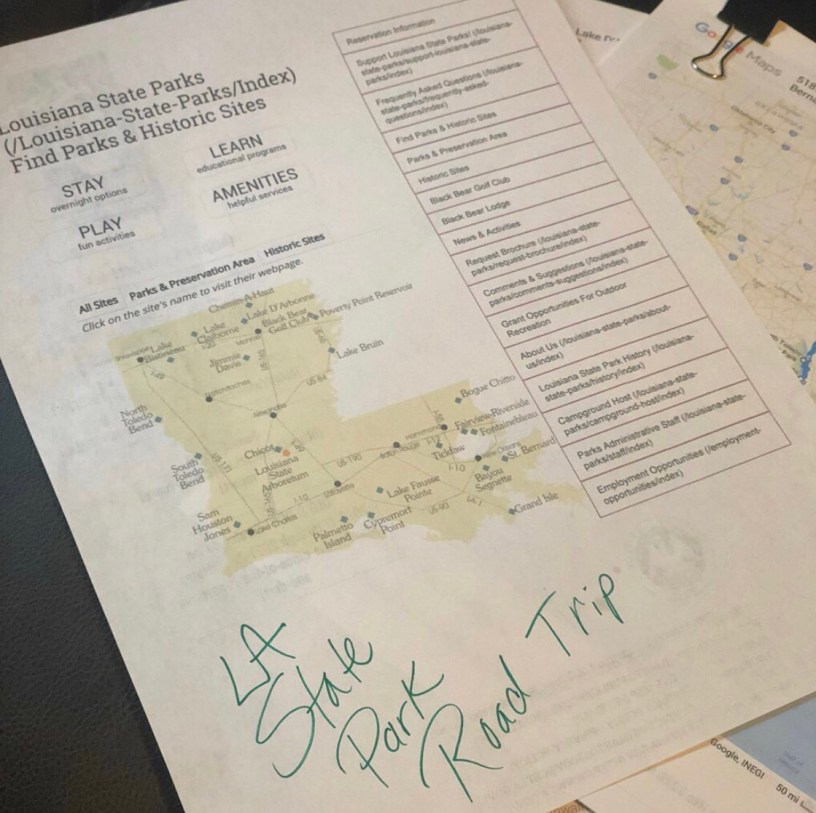
 I was scrolling through emails one hot and steamy June 2018 afternoon. You know how it is, thumbing through endless email subject lines that you have no idea came to be in your inbox. (Side note: When did I sign up for so many food and animal rescue email subscriptions?) I landed on an email that I actually open and enjoy each time that I receive it. The
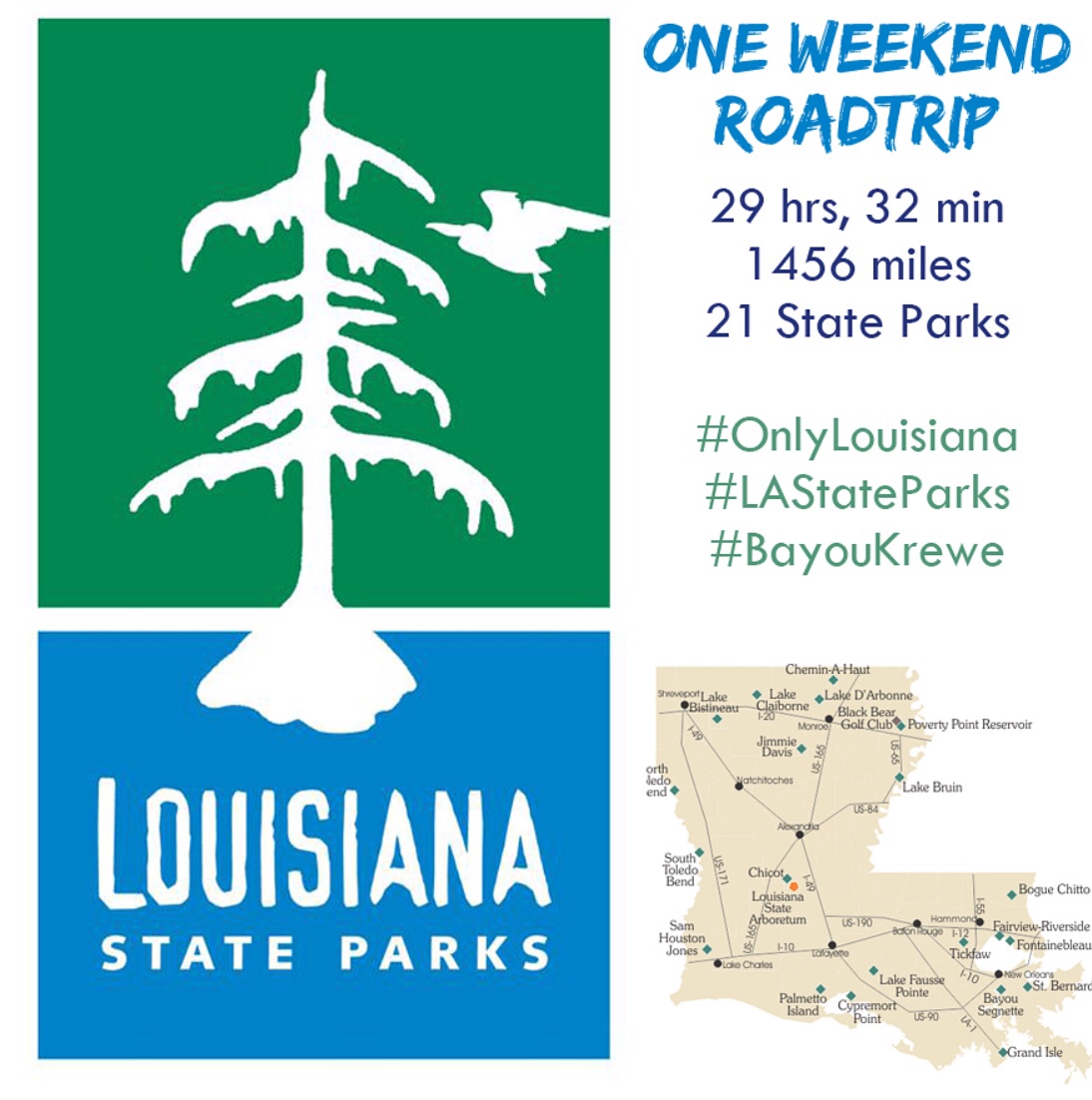
 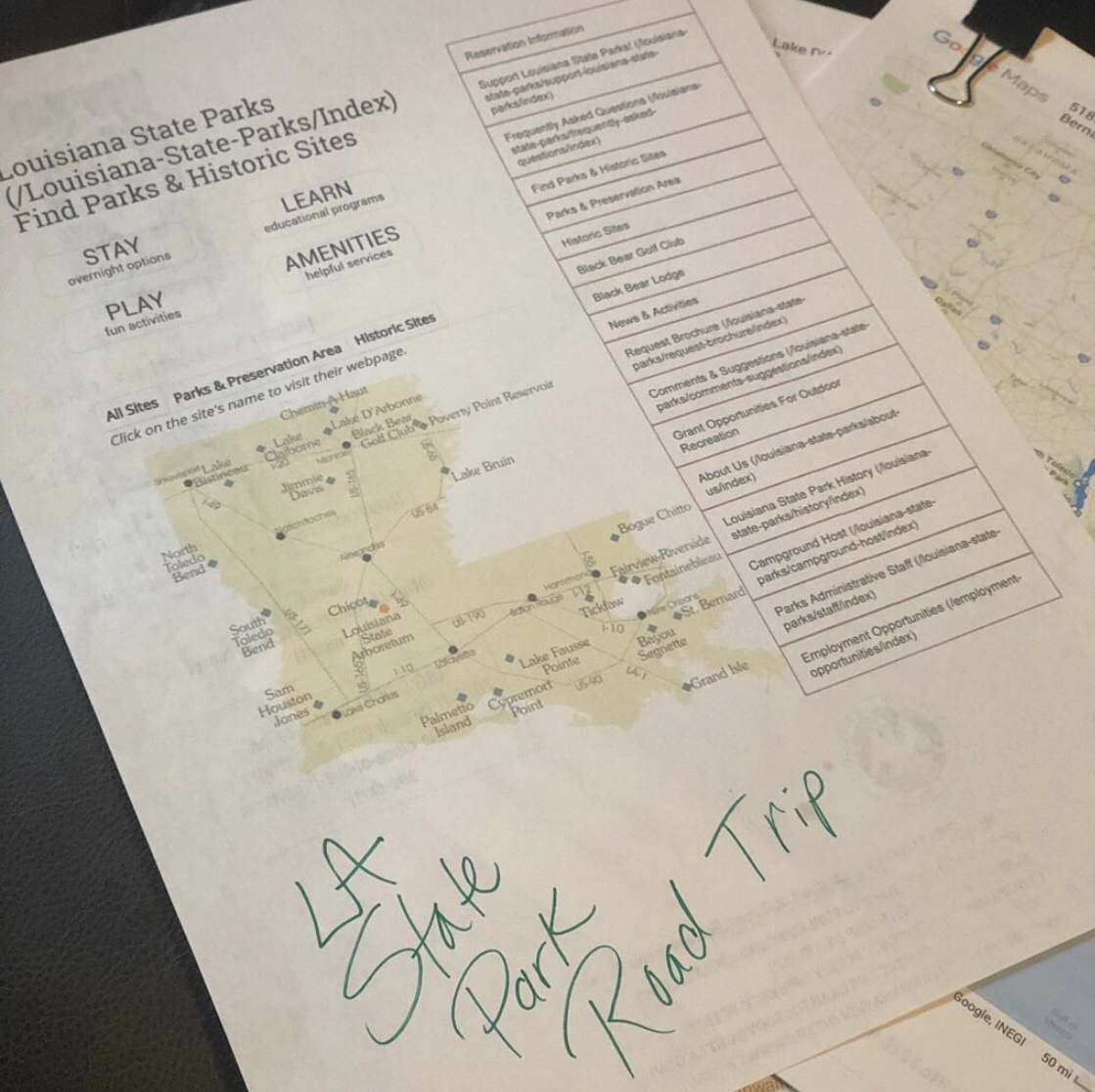 So, I went to my desk and started plotting out my “21 State Park, One-weekend Road-trip” that I thought I was planning to take in a few weeks. 29 hours and 32 minutes were all I needed to cover the 1456 miles. I went to bed thinking that I may wake up in the morning to start my adventure. That’s exactly what I did.





 If you are looking for a quick road trip, visiting a

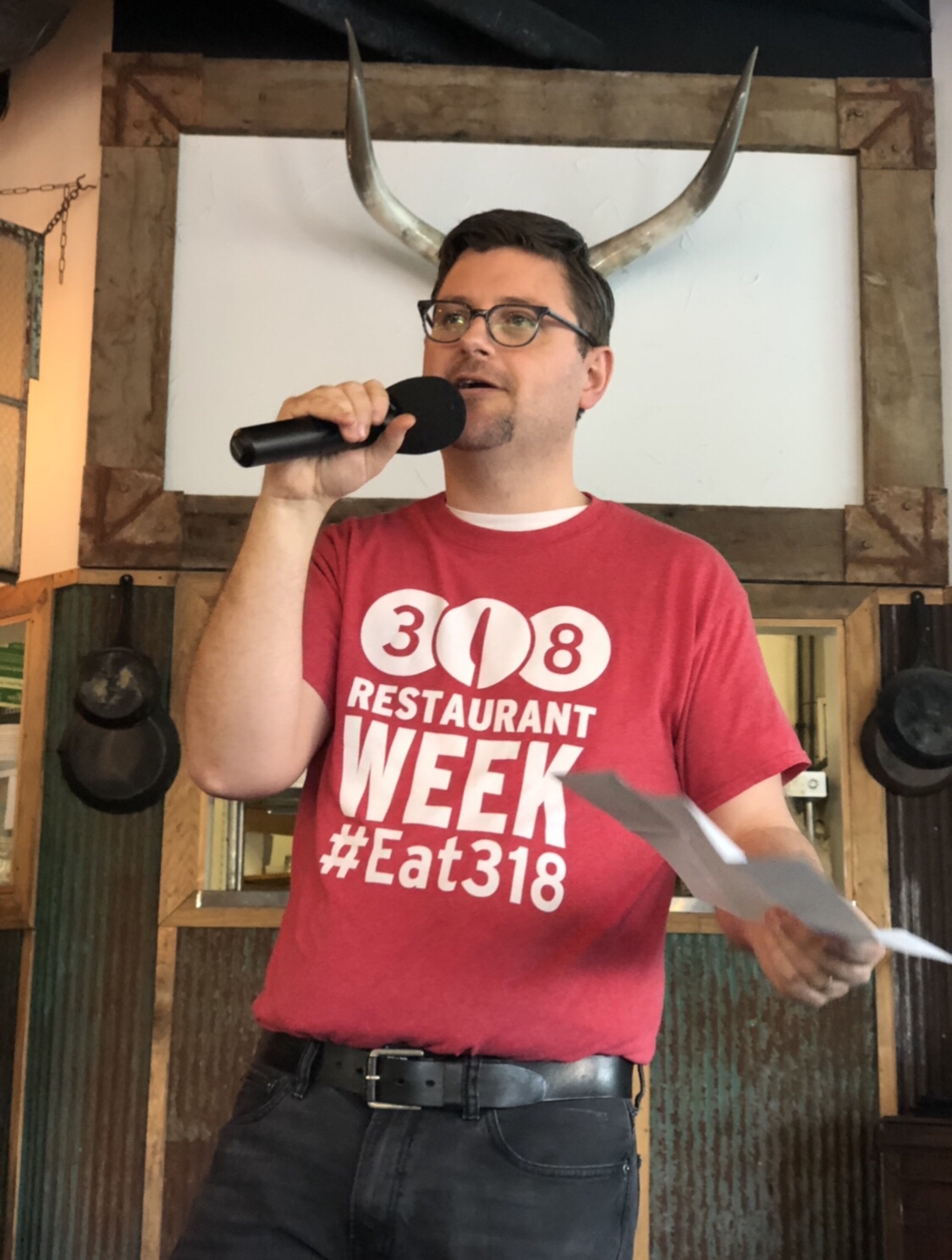
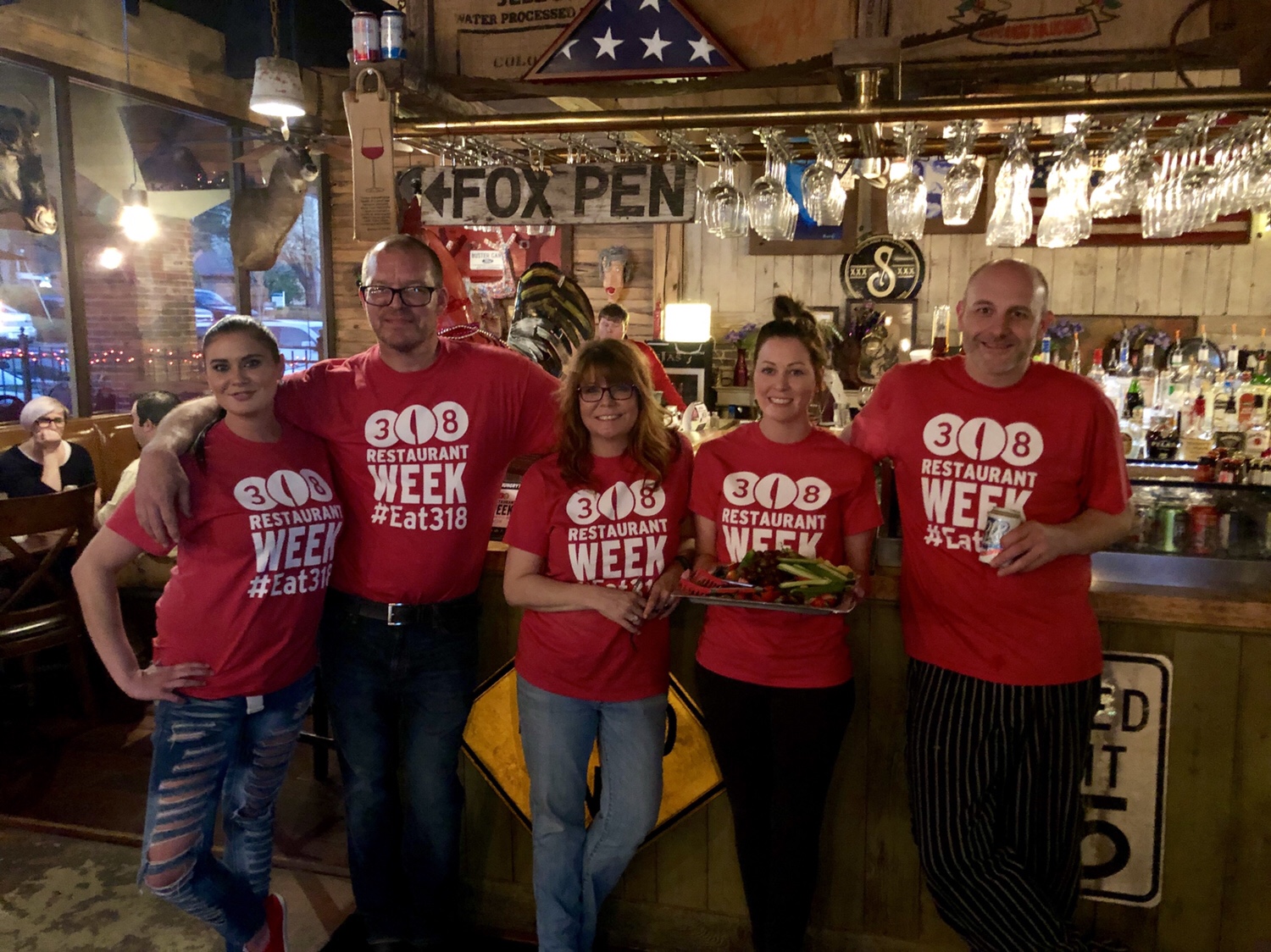 318 Restaurant Week is upon us and I can’t wait to see my social media feeds fill up with delicious foodstuff.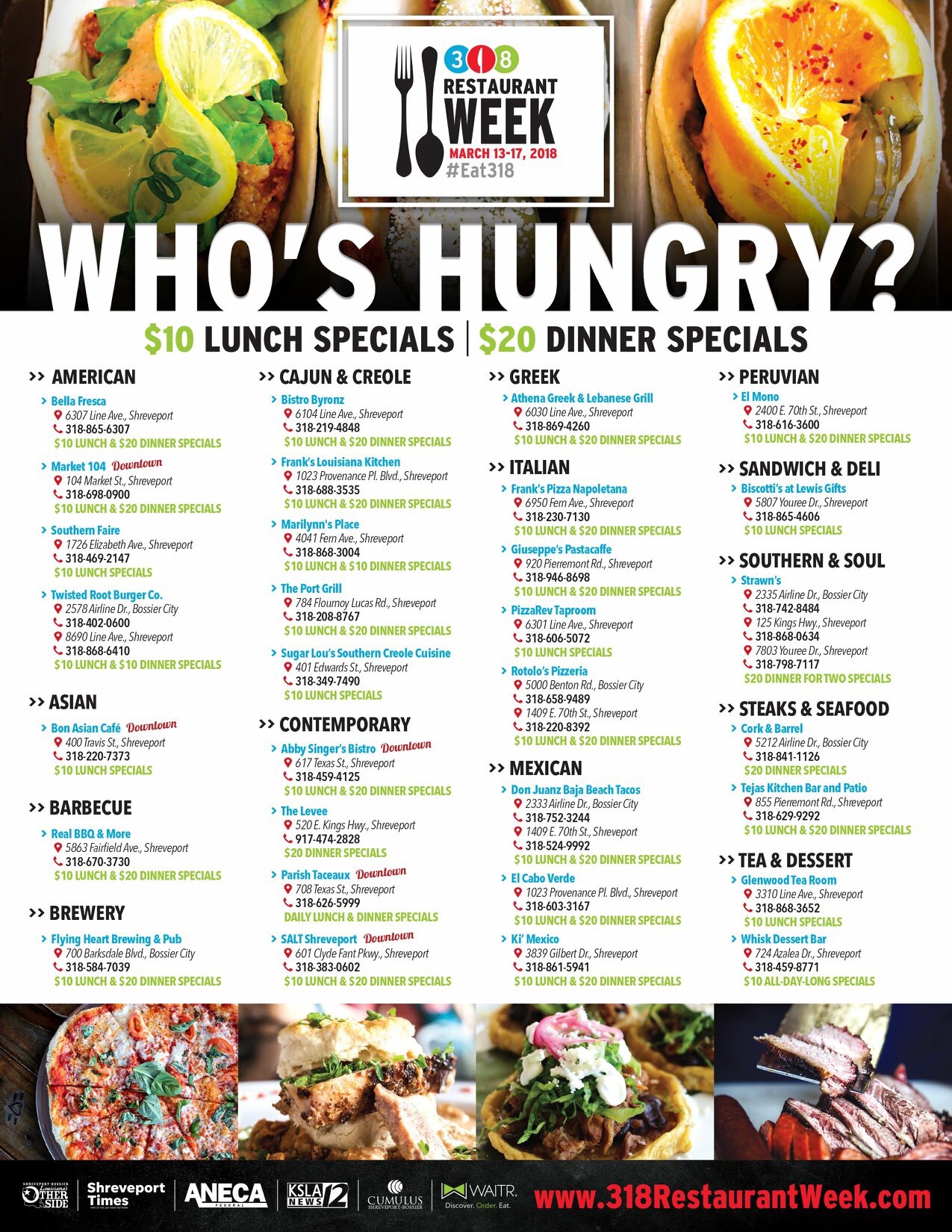





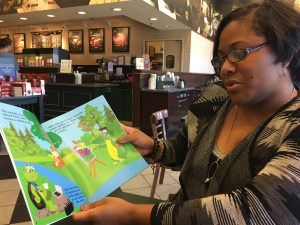
 The story takes place at a nature park, where a female scientist named Ms. Pearl performs a variety of experiments in her laboratory with help from her animal friends. Each character in the book is representative of each STEAM section. Sean the Squirrel, Teddy the Turtle, Elle the Elephant, Alex the Alligator, and Max the Monkey. Each character has a special talent while together exploring the fascinating world of STEAM. Readers will witness the shenanigans of Ms. Pearl and her animal friends, and be inspired to reproduce the kid-friendly experiments presented in the book. Ms. Pearl’s character is loosely based on Christina, who also happens to be a Scientist. Mrs. Washington created Ms. Pearl and the STEAM characters to reflect her love for STEAM.
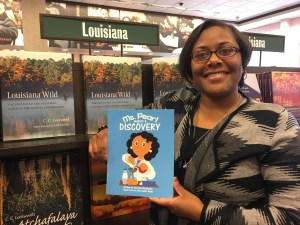 Christina Washington is such a motivating woman, first and foremost, because she is a scientist (a physicist to be exact). She is an author, educator, Founder of Innovative Learning Solutions, and Founder and Executive Director of
  Read more about Christina:




 That Just Happened