

Anxiety is an annoying companion, sometimes turning everyday moments and simple tasks into huge challenges. Today is World Mental Health Day. It’s a reminder to think about our mental health journeys. We should also consider the unique ways we cope. For years, I struggled to manage my anxiety. Logically, I knew I wasn’t the only person dealing with it. I often felt like I was the only one in the world with these feelings. It wasn’t until I discovered a small coping mechanism, a simple piece of Velcro, that I began to find comfort.
A Tactile Sensitivity
I always noticed that I had some tactile sensitivity. As a little girl, I would rub my face against stuffed animals. I ran my fingers over rough surfaces like the seams of clothing. There was something comforting in those sensations, a way to soothe myself when the world felt overwhelming. This need for tactile interaction continued into adulthood. It eventually led me to the discovery of a new solution to add to my anxiety toolbox.
The Velcro Solution
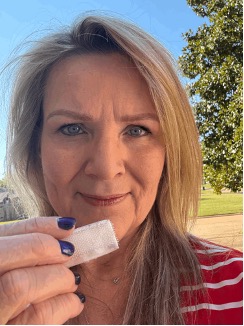
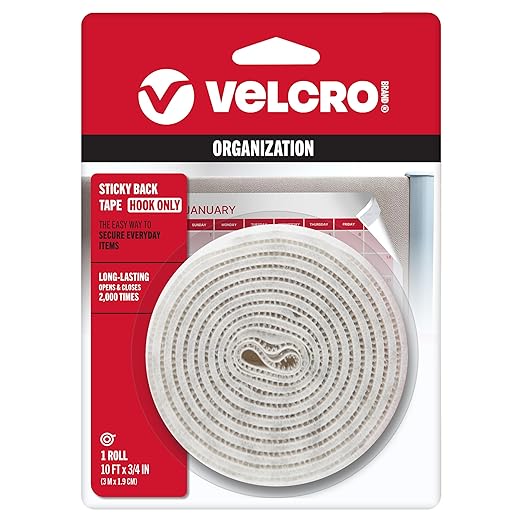
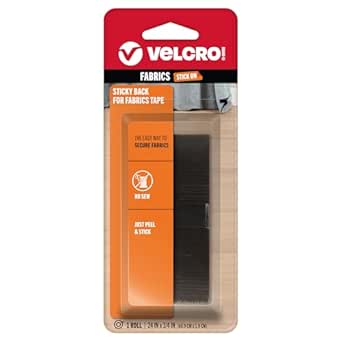
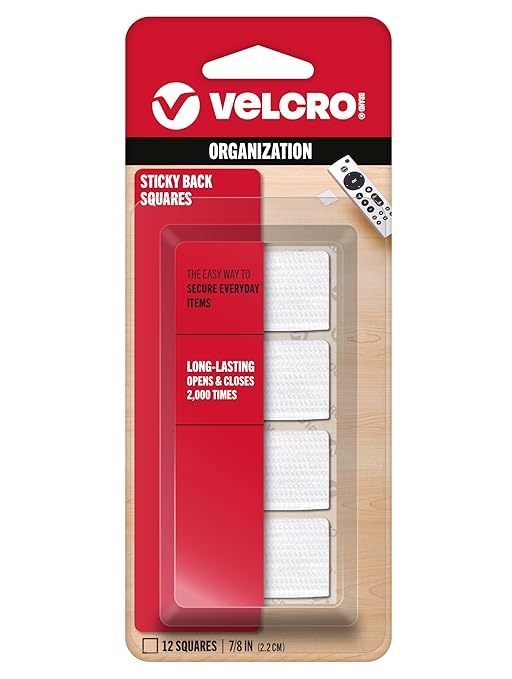
I first realized that Velcro is a cool solution when I was carrying a backpack one day. My fingers brushed against a piece of Velcro on its surface. I found a piece of adhesive type (hook side) of Velcro and folded it in half. Now, I have a two sided piece to carry in my pocket. At first, carrying it in my pocket felt strange. I worried that others would judge me if they saw me fidgeting with it. Occasionally, I would drop it and I would feel such embarrassment. The fear of being noticed, of standing out for something I considered odd, made my anxiety even worse. Yet, the tactile sensation of pressing the Velcro into my fingertips provided a sense of relief. It was my little secret, a simple act that helped ground me when I felt unsteady.
The Journey to Acceptance
For a long time, I thought I was weird for relying on this piece of looped fabric. I kept it hidden, ashamed of my need to fidget. But one day, during a routine check-up, I mustered the courage to confide in my doctor about my Velcro habit. To my surprise, she didn’t react with judgment or disbelief. Instead, she shared that many people use similar techniques to cope with anxiety. It was a light bulb moment for me; I was not alone in my struggles.
This conversation opened the floodgates to a new understanding. It was no longer just a piece of looped fabric. I now think of it as a tool to control my anxiety.
Around 2017, fidget spinners and other sensory toys began to flood the market. I started to see a community forming around these coping mechanisms. I learned about others who carry small items like paper clips in their pockets. They use these items to fidget discreetly during stressful moments. This happens during times like making speeches. Suddenly, I realized I wasn’t the only one seeking comfort in the tactile world. It felt liberating to realize that my method of managing anxiety was not just acceptable, it was normal.
Embracing Fidgeting
I still have a small sense of embarrassment around the Velcro in my pocket. With this blog, I hope to let it go. I embrace it as a part of my daily routine. It’s a reminder that I have a strategy to manage my anxiety. My hope is to start a conversation. I want others to share their own fidgeting habits. Whether it’s squeezing a stress ball, using a calm strip on your keyboard, or with a fidget cube. We must foster an environment of openness, making discussions about mental health less stigmatized and more relatable.
Final Thoughts
Please remember that anxiety can feel isolating, and everyone has their own ways of coping. Whether it’s Velcro, fidget spinners, paper clips, or something entirely different, these tools can offer comfort in times of stress. By sharing our experiences, we can create a supportive community where it’s okay to be different. It’s okay if you find relief in a piece of Velcro or any other fidgeting tool. You’re not weird. You’re simply finding your path to calm in a chaotic world. So tell me below, how do you manage your anxiety?
This article was originally posted on LinkedIn on October 10, 2024.
World Mental Health Day
As we recognize World Mental Health Day, it’s a poignant reminder of the importance of mental well-being in our lives. This year, I am recommitting to a campaign at GDIT that emphasizes the value of checking in on those around us. Whether it’s colleagues, loved ones, friends, or neighbors, a simple yet profound question can make all the difference: “How Are You, Really?”
You never know who may be struggling on any given day. By taking the time to ask and genuinely listen, we can create a supportive community where everyone feels valued and heard. So let’s #KeepAsking and stick around to listen to the response. Together, we can foster a culture of openness and compassion that truly makes an impact.
As we reflect on the significance of mental health, let’s remember that our small gestures can lead to significant changes in the lives of others. Let’s keep this conversation going and continue to check in on one another.
· GDIT How Are You, Really? Resources
Articles about Touch and Anxiety:
Deep Pressure Therapy: A Promising Anxiety Treatment for Individuals With High Touch Comfort?, National Library of Medicine
How Your Sense of Touch Can Reduce Your Anxiety, University Hospitals
Sensory Tools for Adult Anxiety: A Comprehensive Guide, Caregiving Network
As an Amazon Associate, I earn from qualifying purchases, at no extra cost to you. I only recommend products I genuinely use or believe would be helpful.



 That Just Happened